

Xero Payments vs. QuickBooks Payments: How to Sync Customer Payments Without Manual Cleanup
A practical framework for comparing Xero Payments and QuickBooks Payments, and for syncing customer payments so reconciliation stops being a manual job.
Read →
Recurring Invoices and Automated Payment Reminders: A Bookkeeper's Setup Guide
A step-by-step setup guide for recurring invoices and automated payment reminders that help clients collect customer payments without manual follow-up.
Read →
Monthly Minimum Fees, PCI Fees, and Batch Fees: The Junk Fees Hiding in Plain Sight
A field-by-field guide to the small recurring fees on a merchant statement, what each one covers, and which ones are worth questioning.
Read →
The Real Cost of Chargebacks for B2B Businesses (and How to Spot the Risk)
Quantifies chargeback fees plus hidden costs like reserve holds and dispute ratios, and flags early warning signs in statements.
Read →
5 Signs a Client's Processing Statement Hides a Rate Increase
A checklist bookkeepers can run during monthly reconciliation to catch creeping card processing fee increases early.
Read →
Level 2 and Level 3 Data 101: A Bookkeeper's Cheat Sheet for B2B Card Processing
A plain-language cheat sheet on Level 2 and Level 3 card data: what it is, which B2B clients benefit, and why the pricing model decides whether savings reach them.
Read →
ACH vs Card Payments for B2B Invoices: Which Costs Clients Less?
Compares per-transaction economics for larger B2B invoice amounts, where card fees scale but ACH doesn't.
Read →
Connecting a Payment Processor to QuickBooks Online: What Actually Syncs vs. What Doesn't
Practical look at reconciliation gaps bookkeepers hit when a client's processor isn't properly integrated.
Read →
How Bookkeepers Can Add a Referral Income Stream Without Becoming a Payments Expert
Positions payments referrals as a low-lift add-on to existing advisory work, not a new specialty to master.
Read →
B2B vs. B2C Payment Processing: Why the Same Rate Doesn't Fit Both
Explains why flat consumer-style pricing often costs B2B businesses more, tying back to interchange mix.
Read →
What Are Qualified, Mid-Qualified, and Non-Qualified Rates - and Why They're a Red Flag
Explains tiered pricing's three buckets and why a statement full of non-qualified transactions usually means overpaying.
Read →
Surcharging vs. Cash Discounting: What Bookkeepers Need to Tell Clients Before They Choose
Breaks down the two compliance-sensitive ways merchants offset card fees, and the risk of getting the disclosure rules wrong.
Read →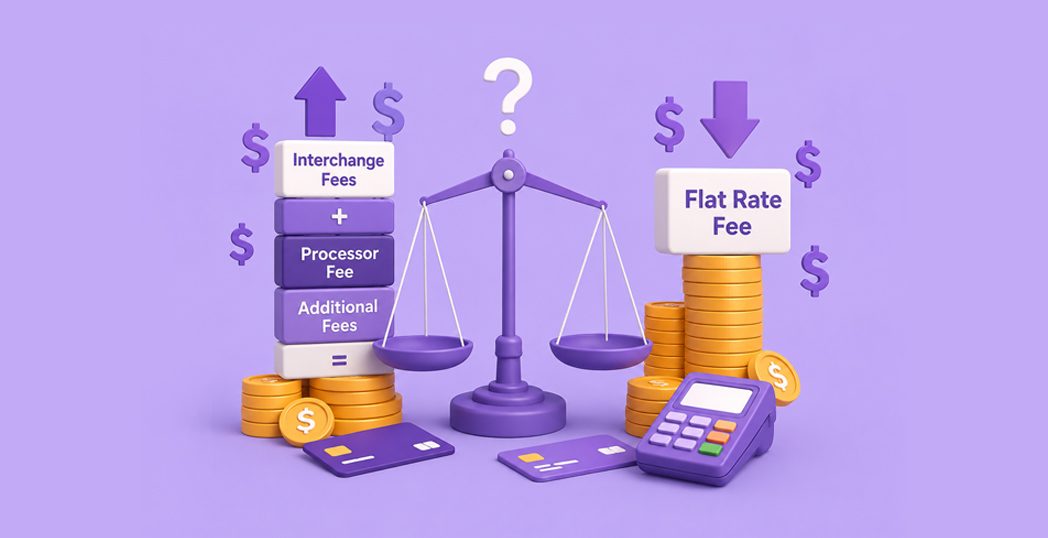
Interchange-Plus vs. Flat-Rate Pricing: Which Saves B2B Clients More?
What pricing model is a client's processor really using? A plain-language breakdown of flat-rate vs. interchange-plus pricing, and why the gap matters most for B2B clien…
Read →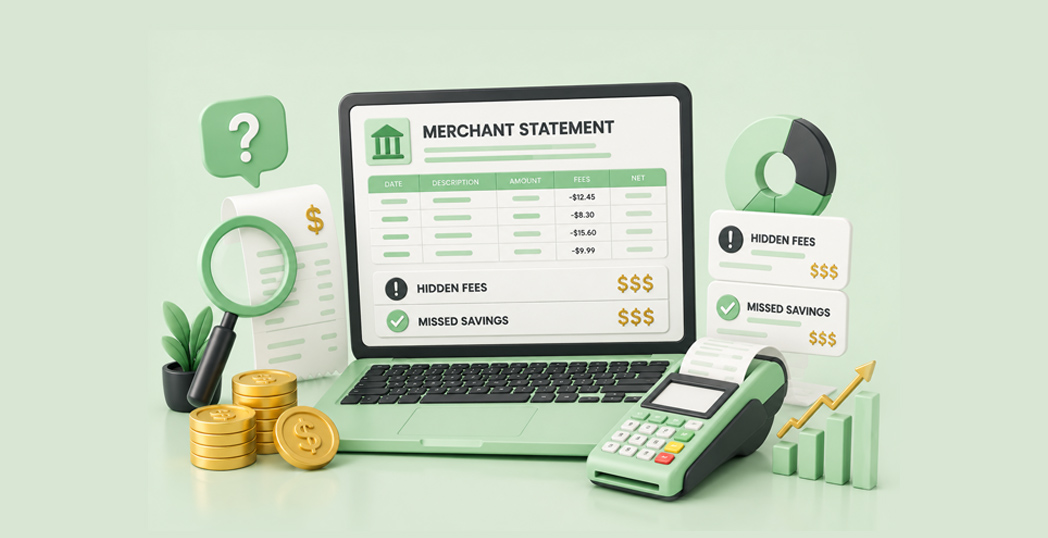
How to Read a Client's Merchant Statement: Spotting Hidden Fees and Missed Savings
For a bookkeeper, this is a low-cost, high-value thing to periodically check for clients, not a major project, but a review that can surface real, ongoing savings once o…
Read →
How Level 2/Level 3 Data Can Lower Your Client's Card Processing Fees
The more transaction detail that gets passed to the card network, the better the interchange rate tends to be
Read →
5 Signs Your Client Needs a Better Payment Processor
Spot the warning signs before they show up in the books, a bookkeeper's guide to knowing when a client's payment processor is costing them time and money.
Read →
ACH vs. Card Payments: What to Tell Clients Who Ask
Explaining ACH vs. card tradeoffs is a small moment, but it's the kind of conversation that reinforces why a client values having a bookkeeper who understands more than…
Read →
How Much Can a Bookkeeping Firm Earn Referring Payment Processing?
When a firm already handles a client's books in QuickBooks or Xero, recommending a payments tool that syncs natively isn't an upsell — it's a natural extension of the ad…
Read →
QuickBooks ProAdvisor's Guide to Choosing a Payment Processor for Clients
Many people have started chanting I hate social media and have distanced themselves from constant nagging of notifications and buzzer sounds from one of their social med…
Read →Try a different search or category.